


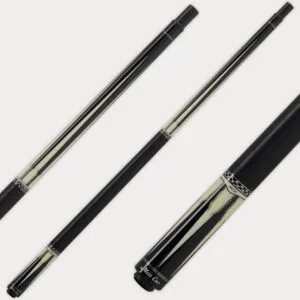
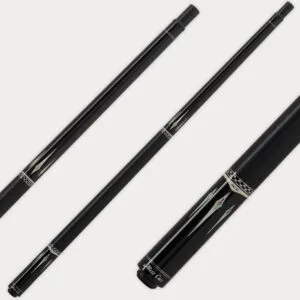
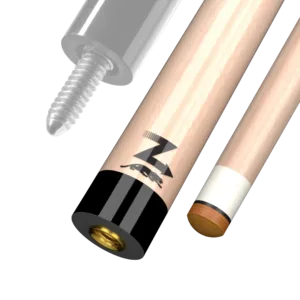


Choosing between the Predator BK Rush, BK3, and BK4 is one of the most common questions serious pool players ask when upgrading their break game. These three cues represent Predator’s core break cue lineup, and each one takes a distinct approach to delivering power, consistency, and control at the break. Whether you are drawn to carbon fiber technology, prefer the feel of a maple wood shaft, or want fully customizable weight, this guide breaks down every key difference so you can invest with confidence.
We cover shaft materials, tip technology, Vault Plate construction, player feedback from the community, and real pricing, so you leave this page knowing exactly which cue fits your style. Let’s get into it.
Why Your Break Cue Matters More Than You Think
A lot of recreational players underestimate the break cue. They assume any cue with enough mass behind it will scatter the rack effectively. In reality, the break is the most mechanically demanding shot in pool. You are generating maximum velocity, absorbing significant shock through the shaft, and trying to control where the cue ball ends up after contact. Using the wrong tool for that job costs you energy transfer, cue ball position, and over time, wrist and elbow strain from a cue that wasn’t built to absorb impact properly.
Predator’s BK series was engineered specifically to solve these problems. Each model uses different construction strategies to maximize what engineers call the Coefficient of Restitution (COR), which is essentially how efficiently energy passes from the cue into the cue ball. Understanding how each model approaches that goal is the first step toward choosing the right one.
For broader guidance on selecting any Predator cue, our Predator Cues Buying Guide is a great starting point before diving into model-specific comparisons.
BK Rush: The Carbon Fiber Powerhouse with Revo Shaft
The Predator BK Rush is the flagship of the break cue lineup and the most popular choice among Predator-sponsored professionals. Its defining feature is the Predator REVO BK-R carbon fiber shaft, a purpose-built break shaft constructed from aerospace-grade carbon fiber layered at precise angles to eliminate flex, reduce deflection, and maximize energy transfer on impact.
Carbon fiber has a fundamentally different stiffness-to-weight ratio compared to maple. Because the REVO BK-R shaft stores and releases energy more efficiently, you get more cue ball speed without needing to swing harder. That additional speed translates directly into a harder, more consistent break with less physical effort over a long session.
The tip on the BK Rush is the Predator BK Hybrid Tip, a leather tip that has been impregnated with phenolic resin. This hybrid construction gives you the grip and control of a leather tip combined with the hard, explosive energy transfer of phenolic. It is a genuinely clever solution that most carbon fiber break cues don’t bother offering. The result is better cue ball control post-break, which matters enormously at higher levels of play.
Additional advantages of the BK Rush include:
- No dinging or denting: Carbon fiber does not dent under normal use the way maple shafts can over time.
- Low deflection: The REVO BK-R shaft deflects far less than wood, so your aim stays truer even when breaking at extreme angles.
- Low maintenance: No sealing, no humidity sensitivity, and no need to burnish the shaft regularly.
- Break-balanced construction: Weight distribution is tuned specifically for break shots, not playing shots.
The BK Rush is also available in several variant builds including the BK Rush+, the BK Rush Tempest, and the BK Rush Blue Streak, each offering cosmetic differences or minor spec variations while retaining the core REVO BK-R shaft technology.
Pricing for the BK Rush starts at approximately $799 and above depending on the variant. For a deeper look at why pros trust this cue, read our full Predator BK Rush Break Cue Review.
BK3: The Reliable Wood Break Cue with Phenolic Tip
The Predator BK3 is the most accessible entry point into Predator’s break cue lineup. It uses a traditional maple wood break shaft paired with a phenolic tip, which is the classic hard-tip setup that break cue players have relied on for decades.
Phenolic tips are extremely hard, which means they compress very little on impact. That lack of compression translates to fast, direct energy transfer into the cue ball. The trade-off is that phenolic tips offer less grip than leather or hybrid tips, making it harder to control the cue ball’s behavior after the break. For players who simply want to scatter the rack as hard as possible and rely on position afterward, that trade-off is perfectly acceptable.
The maple shaft delivers a familiar, traditional feel. Many players who have been shooting pool for years are deeply comfortable with wood, and there is real value in playing with a tool that feels natural in your hands. The BK3 also uses Predator’s break-balanced engineering, so while the shaft material is conventional, the overall cue geometry is purpose-built for the break shot.
Key features of the BK3:
- Traditional maple break shaft with natural flex and familiar feedback
- Phenolic tip for explosive, hard contact
- Break-balanced design engineered for power delivery
- Most affordable Predator break cue, priced at approximately $375 to $395
The BK3 is an excellent choice for players who are upgrading from a generic house cue or a basic production cue and want proven Predator engineering without spending $800. It is also a sensible backup break cue for players who already own a BK Rush or BK4 but want a travel or tournament spare.
BK4: The Ultimate Wood Innovation with Vault Plate Technology
The Predator BK4 is the most technically interesting cue in this comparison. It is a maple wood break cue, like the BK3, but Predator has incorporated two technologies that fundamentally change what a wood break cue can do: Vault Plate technology and the KTRL Break Tip.
Vault Plate technology involves a precision-engineered stainless steel plate embedded within the cue’s construction. This plate acts as an energy amplifier at the moment of impact, increasing the COR beyond what a standard maple cue can achieve. In practical terms, it means the BK4 transfers energy into the cue ball more efficiently than the BK3, even though both use wood shafts. Many players in the billiards community report that the BK4 breaks with power comparable to the BK Rush, which is a remarkable claim for a wood-shafted cue.
The KTRL Break Tip is Predator’s proprietary break tip designed specifically for the BK4. It is harder than a standard leather tip but designed to provide better cue ball control than a straight phenolic tip. Think of it as Predator’s solution to the same problem the Hybrid Tip solves on the BK Rush, balancing explosive power with enough grip to give you some say in where the cue ball goes after the break.
The BK4 also features the Uni-Loc weight cartridge system, which allows you to adjust the cue’s total weight by swapping cartridges in the butt end. This is a significant advantage for players who are still dialing in their ideal break cue weight or who play across different formats where a heavier or lighter cue might be preferred. The BK4 is available in No Wrap, Black No Wrap, and Sport Wrap configurations, giving you grip preference options as well.
Key features of the BK4:
- Vault Plate technology for amplified energy transfer from a maple shaft
- KTRL Break Tip for power and cue ball control
- Uni-Loc weight cartridge system for fully customizable balance and weight
- Available in multiple wrap configurations including wrapless and Sport Wrap
- Priced at approximately $799, comparable to the BK Rush
Key Differences: Shaft Material, Tip Type, and Break Power
Here is a direct side-by-side look at the three cues across the most important comparison points:
| Feature | BK Rush | BK3 | BK4 |
|---|---|---|---|
| Shaft Material | Carbon fiber (REVO BK-R) | Maple wood | Maple wood |
| Tip Type | BK Hybrid (leather + phenolic) | Phenolic | KTRL Break Tip |
| Key Technology | REVO BK-R shaft, break balance | Break-balanced maple | Vault Plate, Uni-Loc weight |
| Weight Adjustable | No | No | Yes (Uni-Loc system) |
| Wrap Options | Varies by variant | Standard wrap | No Wrap, Sport Wrap |
| Price Range | $799+ | $375 to $395 | $799 |
| Best For | Max performance, low maintenance | Budget-conscious players | Wood feel with elite power |
If you want to explore how the REVO BK-R shaft compares to carbon fiber options from other manufacturers, our Predator REVO vs Mezz Ignite vs Cynergy comparison covers the full carbon shaft landscape.
Real Player Feedback: Do the BK Rush and BK4 Break Equally Hard?
This is a question that comes up constantly in billiards forums and player communities, and it deserves an honest answer. The short version is: yes, experienced players report that the BK4 and BK Rush produce very similar break power, which surprises many people given that one uses carbon fiber and one uses maple wood.
The reason the BK4 closes that gap so effectively is the Vault Plate. That stainless steel energy amplifier compensates for the natural dampening that wood introduces, raising the BK4’s COR to a level that rivals what the REVO BK-R achieves through material stiffness. Players who have used both side by side consistently report that the balls scatter with comparable aggression from either cue.
Where the two cues differ in player experience is feel and maintenance. BK Rush users report:
- A slightly crisper, more mechanical feedback at contact
- Zero denting or dinging over years of use
- No shaft maintenance required beyond basic cleaning
- Slightly more consistent performance in humid or extreme environments
BK4 users report:
- A warmer, more organic feel at contact that many wood-preferring players find more comfortable
- Greater confidence from the familiar wood response
- Real satisfaction from dialing in the exact weight using the Uni-Loc system
- Slightly more attention required to shaft maintenance over time
Neither feedback profile is wrong. They reflect genuine differences in preference, and both cues are genuinely elite-level tools. What the community data confirms is that you are not giving up power by choosing the BK4 over the BK Rush. You are choosing a different experience of that power.
Price Comparison and Value Breakdown
Understanding what you get at each price point makes the decision much clearer:
BK3 at $375 to $395: Excellent value for a genuine Predator break cue. You get break-balanced engineering, a phenolic tip, and Predator’s build quality at roughly half the price of the premium models. If your budget is the primary constraint or you want a reliable backup break cue, the BK3 delivers far more than its price suggests.
BK4 at approximately $799: Premium price for a wood break cue that performs at carbon fiber levels thanks to Vault Plate technology. Add in the Uni-Loc weight customization and the KTRL tip, and the BK4 offers genuine flexibility that the BK Rush cannot match. If you are a player who values tuning your equipment and prefers the feel of wood, the BK4 justifies every dollar.
BK Rush at $799 and above: Premium price for the most technologically advanced break cue Predator makes. The REVO BK-R shaft is a long-term investment that requires no significant maintenance, won’t degrade in performance over years of hard use, and delivers the lowest deflection available in a Predator break shaft. For players who want the best and never want to think about their break cue again, the BK Rush is the answer.
Which Cue Should You Buy? A Decision Guide
Rather than giving you a single recommendation, here is a practical decision framework based on your specific situation:
Choose the BK Rush if:
- You want the absolute best energy transfer available in a Predator break cue
- Low maintenance and long-term durability are priorities
- You play in environments with varying humidity or temperature
- You prefer the feel of carbon fiber or have no strong attachment to wood
- You follow the equipment choices of Predator’s professional roster
Choose the BK4 if:
- You want break power equal to the BK Rush but prefer a wood feel
- Adjustable weight is important to your game or you are still finding your ideal break cue weight
- You value having wrap configuration options
- You are a technically minded player who enjoys fine-tuning your equipment


We use cookies to improve your experience. By continuing, you agree to our cookie policy.
I Accept
We usually reply instantly
Your Cart
Add $999.00 more to get free shipping!

Predator BK Rush USA Break Cue No Wrap
Price range: $949.00 through $974.00
Predator P3 Painted Blue Pool Cue No Wrap Radial
Price range: $1,289.00 through $1,533.00
Predator P3 Painted Blue Pool Cue Leather Luxe Radial
Price range: $1,369.00 through $1,613.00
Predator P3 Fourth of July No Wrap Pool Cue
Price range: $1,289.00 through $1,533.00
- Email:support@procueshop.com
- Phone:+1 701 214 0492
All Categories
Search
Predator BK Rush USA Break Cue No Wrap
Price range: $949.00 through $974.00Predator P3 Painted Blue Pool Cue No Wrap Radial
Price range: $1,289.00 through $1,533.00Predator P3 Painted Blue Pool Cue Leather Luxe Radial
Price range: $1,369.00 through $1,613.00
Total 3 Comments
[…] you are comparing this cue against older Predator models, our detailed breakdown at BK Rush vs BK3 vs BK4: Which Predator Break Cue Is Right for You? is an essential read before making your […]
[…] you are deciding between the BK Rush and older BK models, our detailed comparison post BK Rush vs BK3 vs BK4: Which Predator Break Cue Is Right for You? walks through the differences in […]
[…] For a full breakdown of dedicated break cue options, check out our comparison of the BK Rush vs BK3 vs BK4: Which Predator Break Cue Is Right for You? […]