




A premium cue deserves a case that works just as hard as you do at the table. The right pool cue case does far more than carry your gear from point A to point B. It shields your shafts from impacts, guards against the temperature and humidity swings that can warp maple over time, and keeps your joints and tips safe whether you are walking across a pool hall or checking luggage at an airport. For players who have invested in high-end equipment from brands like Predator, Mezz, or Exceed, a quality case is not optional, it is essential.
This guide covers everything you need to know to choose the best premium pool cue case for your playing style, travel habits, and current setup, including what features matter most, how to size correctly, and what the top brands offer in 2026.
Why a Premium Pool Cue Case Matters for Travelers
Most players underestimate how much stress a cue endures during transit. Even a short drive to the local league can expose your cue to vibration, knocks, and temperature swings inside a hot car trunk. For tournament players or anyone traveling regularly, the risks compound quickly.
Maple shafts are particularly vulnerable. Wood naturally expands and contracts with changes in humidity and heat, and repeated exposure to extreme conditions accelerates warping. Carbon fiber shafts like the Predator REVO and Ignite are more dimensionally stable, but their tips, ferrules, and joint pins still need protection from impact and moisture.
A well-built cue case protects against three primary threats:
- Physical impact: Drops, knocks, and compression forces during transport
- Temperature extremes: Hot car trunks, cold storage, rapid climate changes
- Humidity fluctuations: Moisture absorption that warps wood and corrodes metal joints
When you consider the cost of a quality playing cue, a break cue, and spare carbon fiber shafts, a premium case is a small investment that protects a much larger one. If you are still building your setup, read our guide on how to choose the right pool cue weight, tip, and balance before deciding on case capacity.
Hard vs Soft Cases: Which Protects Your Cue Best?
The hard versus soft debate is one of the most common questions in any pool cue case buying guide, and the honest answer is that both have their place. The key is matching the case to your specific situation.
Hard Cases
Hard cases offer the highest level of protection available. A rigid outer shell, typically constructed from ABS plastic, aluminum, or a composite material, absorbs and deflects impact energy before it ever reaches your cue. Interior foam padding or individual padded tubes keep shafts and butts stationary and prevent rattling during transport.
Hard cases are the correct choice when:
- You are traveling by air and need to check your cue
- You are loading gear into a vehicle where the case may shift or be stacked under other bags
- You are competing at tournaments where gear gets moved frequently
- You are transporting multiple high-value cues at once
The Poison Armor Hard Pool Cue Case is a strong example of what a well-built hard case should deliver, combining a rigid protective shell with a clean interior layout designed to keep cues secure during serious travel. For players who want both protection and a bold look, the Poison Camo Hard Pool Cue Case delivers the same structural integrity with a distinctive camo finish.
Soft Cases
Soft cases are lighter, more flexible, and easier to carry casually. A well-padded soft case is perfectly suitable for walking between rooms at a pool hall, commuting to a local league, or serving as a secondary case when your hard case is already packed. They are not designed to absorb significant impact, however, and should not be used for air travel or situations where the case could be stacked, dropped, or crushed.
Think of a soft case as everyday carry and a hard case as travel armor. Many serious players own both.
Key Features to Look for in a Travel-Ready Cue Case
Not all premium pool cue cases are built to the same standard. When evaluating any case, focus on these core features before making a decision.
Interior Lining and Compartment Design
The interior is where case quality reveals itself. Look for individual padded tubes or dedicated compartments for each shaft and butt, rather than a single open cavity. Individual tubes prevent shafts from knocking against each other and protect delicate tips and ferrules from contact damage. A quality lining, typically velvet, microfiber, or dense foam, reduces vibration and prevents surface scratches.
Accessory Storage
Tournament players need to carry chalk, gloves, joint protectors, tip tools, and spare parts. A case with well-designed accessory pockets keeps everything organized and accessible without needing a separate bag. Check that pocket zippers are robust and that pockets are sized practically rather than decoratively.
Strap and Carry Comfort
If you are walking long distances at a tournament venue or navigating an airport, strap comfort matters more than most buyers initially realize. Padded shoulder straps, ergonomic handles, and balanced weight distribution reduce fatigue significantly over a full day of travel. Some premium cases also offer backpack-style dual straps, which distribute weight more evenly and free your hands.
Closure Systems
Heavy-duty zippers, lockable clasps, and reinforced seams are non-negotiable for travel cases. Cheap closures fail at the worst possible times. If you are checking a case as airline luggage, a lockable hard case with secure latches adds an important layer of security.
Weather Resistance
For outdoor events or rainy climates, a water-resistant exterior adds meaningful protection. Some cases feature sealed zippers or treated fabrics that prevent moisture from penetrating to the interior. This is particularly important if you are protecting maple-shafted cues paired with premium playing cues like the Predator P3 Pool Cue or the Predator SP2 Palisander 2 Pool Cue.
How to Choose the Right Capacity (Butts x Shafts)
Pool cue case capacity is expressed as butts by shafts. A 2×4 case, for example, holds two butts and four shafts. Choosing the right configuration is one of the most important decisions in this buying process, and the most common mistake is buying too small.
Here is a practical breakdown by player type:
- Casual player with one cue: A 1×1 or 2×2 case covers the basics, though a 2×2 gives you room for a spare shaft.
- Club player with a playing cue and break cue: A 2×2 or 2×4 is the standard choice. Two butts for each cue and extra shaft slots for spares.
- Tournament competitor: A 2×4 or 3×5 configuration accommodates a playing cue, break cue, jump cue like the Predator Air Rush Red Jump Cue, and multiple spare shafts.
- Serious collector or multi-cue player: A 4×8 or larger case provides the space and organization needed for a full arsenal.
One of the most practical pieces of advice any experienced player will give you: size up. If you currently run a playing cue and one spare shaft, buy a case with room for a break cue. Your equipment will grow before your case does, and upgrading cases is an additional cost you can avoid by planning ahead.
Top Premium Pool Cue Cases for Every Player Type
The premium case market has expanded significantly, and the best options now come from brands that understand what tournament players actually need. Here are the top recommendations across different player types and budgets.
Predator Roadline Hard Cases
Predator’s Roadline series is built specifically for tournament players who travel regularly and need maximum protection without sacrificing style. The exterior shell is tough and impact-resistant, the interior features individual shaft tubes and padded butt compartments, and the carry system is designed for all-day comfort. Available in multiple configurations, the Roadline range suits players from club level through professional competition.
Poison Armor Hard Pool Cue Case
The Poison Armor Hard Pool Cue Case delivers serious structural protection in a clean, professional design. It is a strong choice for players who want hard-case durability with a streamlined look that works at both local leagues and major tournaments.
Poison Camo Hard Pool Cue Case
For players who want their case to make a statement, the Poison Camo Hard Pool Cue Case combines reliable hard-shell protection with a bold camo exterior. The interior is built to the same protective standard, making this as functional as it is distinctive.
Cuetec Pro Line Cases
Cuetec’s Pro Line range offers both hard and soft configurations, with well-designed interiors and durable exteriors at a price point that competes strongly in the premium segment. Their hard cases are particularly well regarded for individual shaft tube construction that prevents tip and ferrule damage.
JB Cases Hard Cases
JB Cases are a favorite among serious competitors for their customizable interiors and robust build quality. If you have an unusual cue configuration or specific storage requirements, JB Cases offer flexibility that off-the-shelf cases cannot always match.
Essential Tips for Storing and Transporting Your Cue Safely
Even the best premium pool cue case will not protect your equipment if you store or transport it incorrectly. These habits matter as much as the case itself.
- Store cases flat or upright, never leaning at an angle. A leaning case puts continuous lateral pressure on shafts, which contributes to warping over time, particularly with maple.
- Never leave a case in a hot car trunk. Interior trunk temperatures can exceed 60 degrees Celsius in summer conditions. Extreme heat softens ferrule glue, warps maple, and degrades tip compounds. If you must leave your cue in a vehicle, keep it in the passenger cabin where climate control reaches.
- Allow cues to acclimate gradually. Moving a cue quickly from a cold environment to a warm, humid room creates condensation on the shaft. Where possible, allow the closed case to sit at room temperature for fifteen to twenty minutes before opening.
- Use joint protectors. Even inside a well-padded case, joint protectors provide an extra layer of defense for threads and pin connections. They are inexpensive insurance.
- Keep the interior clean and dry. Periodically check case interiors for moisture, chalk dust buildup, and any damage to foam or lining. A compromised interior reduces protection significantly.
Air Travel and Cue Cases: What You Need to Know
Flying with a pool cue requires specific preparation, and this is an area where many guides fall short on practical detail. Here is what you actually need to know before you get to the airport.
Hard Cases Are Required
Soft cases are not appropriate for air travel. Checked luggage is handled roughly, stacked under heavy bags, and exposed to pressure changes in cargo holds. Only a hard case with a rigid shell provides adequate protection for cues in checked baggage.
Check Your Cue, Do Not Carry It On
Most airlines classify pool cues as sporting equipment or potential safety items and will not permit them in the cabin as carry-on luggage. Always check your cue case as checked baggage. Confirm your specific airline’s policy before travel, as rules vary slightly between carriers and destinations.
Lock Your Case
Use a TSA-approved lock on your cue case when flying domestically within the United States, and a standard padlock for international routes where TSA locks may not apply. A locked case deters opportunistic theft and keeps the case securely closed if it is dropped or mishandled.
Declare Value if Necessary
For very high-value cue collections, consider declaring the contents and their value at check-in. Standard checked baggage liability limits may not cover the full replacement cost of a premium cue setup. Travel insurance that covers sporting equipment is worth considering for players who compete internationally.
Padding Around the Case
Some players place their hard case inside a padded duffel or wrap it in clothing for an additional buffer during airline handling. While a quality hard case should handle airline conditions independently, an extra layer of protection costs nothing when traveling with high-value equipment.
Frequently Asked Questions
What size pool cue case do I need for a playing cue and a break cue?
A 2×4 configuration is the most practical choice for a two-cue setup. It accommodates two butts (one for your playing cue, one for your break cue) and up to four shafts, giving you room for your primary shaft plus spares. If you also carry a jump cue, consider stepping up to a 3×5 or similar configuration.
Can I take a pool cue on an airplane as carry-on luggage?
In most cases, no. The majority of airlines require pool cues to be checked as baggage rather than carried onto the aircraft. Always confirm with your specific airline before travel. When checking your cue, use a hard case only and apply a TSA-approved lock for domestic U.S. flights.
Does a hard case actually prevent warping better than a soft case?
Hard cases provide a more stable internal environment and better insulation against rapid temperature changes, which reduces the conditions that contribute to warping. A hard case will not prevent warping caused by long-term improper storage, but it significantly reduces the stress your cue experiences during transport compared to a soft case.
How do I protect my carbon fiber shaft in a cue case?
Carbon fiber shafts like the Predator REVO are dimensionally stable and do not warp the way maple does, but their tips, ferrules, and joint connections are still vulnerable to impact and contact damage. Look for cases with individual padded tubes for each shaft, and always use joint protectors. A well-padded hard case is the ideal choice for traveling with carbon fiber shafts.
Should I buy a bigger case than I currently need?
Yes, sizing up is almost always the right decision. Most players expand their setup over time, adding a break cue, jump cue, or additional shafts. A case that fits your current equipment perfectly will often be too small within a year or two. Buying one configuration size larger than you currently need saves you the cost of replacing the case when your equipment grows.
Protecting your cue starts the moment you leave the table. Whether you are a club player heading to a weekly league or a tournament competitor flying interstate, the right case keeps your equipment safe, stable, and ready to perform. Browse the full range of premium hard pool cue cases at Pro Cue Shop and find the right protection for your setup today.


We use cookies to improve your experience. By continuing, you agree to our cookie policy.
I Accept
We usually reply instantly
Your Cart
Add $999.00 more to get free shipping!

Predator BK Rush USA Break Cue No Wrap
Price range: $949.00 through $974.00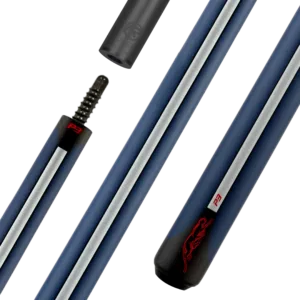
Predator P3 Painted Blue Pool Cue No Wrap Radial
Price range: $1,289.00 through $1,533.00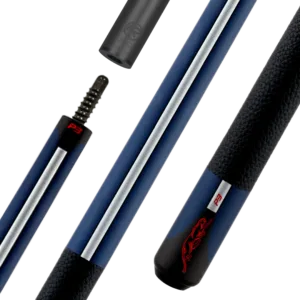
Predator P3 Painted Blue Pool Cue Leather Luxe Radial
Price range: $1,369.00 through $1,613.00
Predator P3 Fourth of July No Wrap Pool Cue
Price range: $1,289.00 through $1,533.00
- Email:support@procueshop.com
- Phone:+1 701 214 0492
All Categories
Search
Predator BK Rush USA Break Cue No Wrap
Price range: $949.00 through $974.00Predator P3 Painted Blue Pool Cue No Wrap Radial
Price range: $1,289.00 through $1,533.00Predator P3 Painted Blue Pool Cue Leather Luxe Radial
Price range: $1,369.00 through $1,613.00